Three hobbyists got 2023 graphics drivers working on Windows 7, a 2009 system
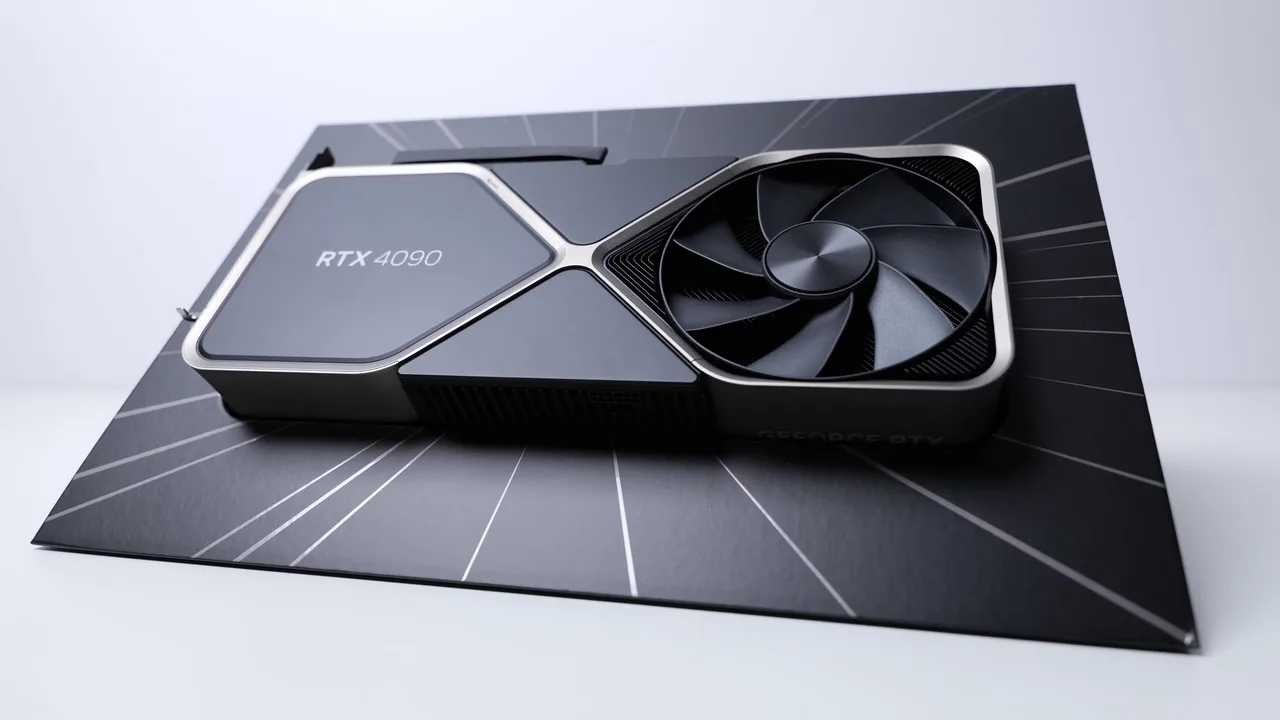
A group of three enthusiasts has got DirectX 12 and Vulkan 1.4 running on Windows 7, the 2009 operating system Microsoft stopped supporting in 2020. Nvidia RTX 40 and 50 series cards, AMD Radeon RX 7000 and 9000 series, and some Intel Arc cards now show up inside Windows 7 and in GPU-Z, the free utility people use to read a card's identity and clocks. Screenshots posted by @TheBobPony show the cards enumerated. The project is at W7Revived, and it is worth understanding what was actually transplanted, because it is not a graphics driver.
Every Windows release ships a version of WDDM, the contract between the operating system and a graphics driver. Windows 7 shipped WDDM 1.1. Windows 10 shipped WDDM 2.0 in 2015 and WDDM 2.2 with the Creators Update in 2017. DirectX 12 is unusual among graphics APIs because the game, not the driver, decides what lives in video memory and when. That means the operating system has to keep a per-process budget, page resources between video RAM and system RAM, and evict under pressure. WDDM 2.0 built that machinery. WDDM 1.1 has nothing like it. The project backports WDDM 2.2 from Windows 10, which is a memory manager transplant wearing a graphics driver's clothes.
Tom's Hardware attributes ray tracing and DLSS support as a claim, and adds that actual feature support "depends on the graphics card, driver implementation, and application." That hedge is doing real work. A GPU-Z screenshot proves the card is visible. It does not prove a DirectX 12 title runs, or at what frame rate, or whether ray tracing is anything other than a checkbox. Microsoft shipped a limited DirectX 12 for Windows 7 back in 2019, but only so developers could port select games, which gives a sense of how narrow this ground has been.
The files are at w7revived.chefkiss.dev/Drivers/WDDM2Win7/ and can be combined with VxKex, a compatibility layer that lets newer Windows applications run on older ones. RTX 30 series and Radeon RX 6000 cards may also benefit.
What is genuinely open is whether a DirectX 12 game actually runs on this stack. Card recognition is the easy half. The hard half is the memory manager doing its job under a real workload, and nobody has published that yet. The full writeup is at tomshardware.com/software/windows/17-year-ol….