Edison's Diamond Stylus Was a Serviceability Dead End
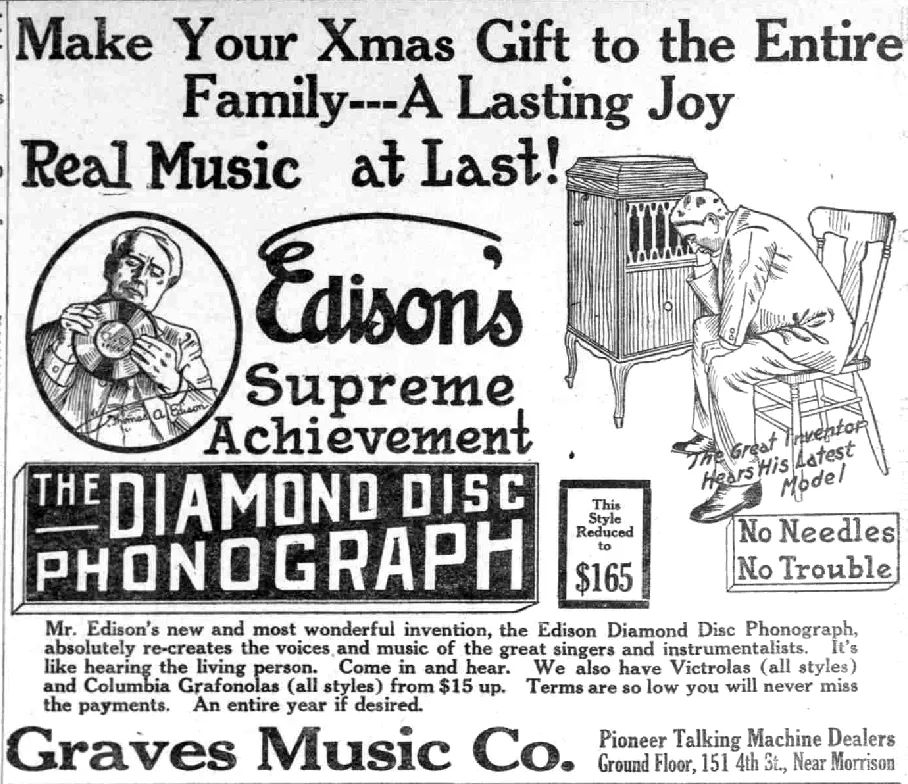
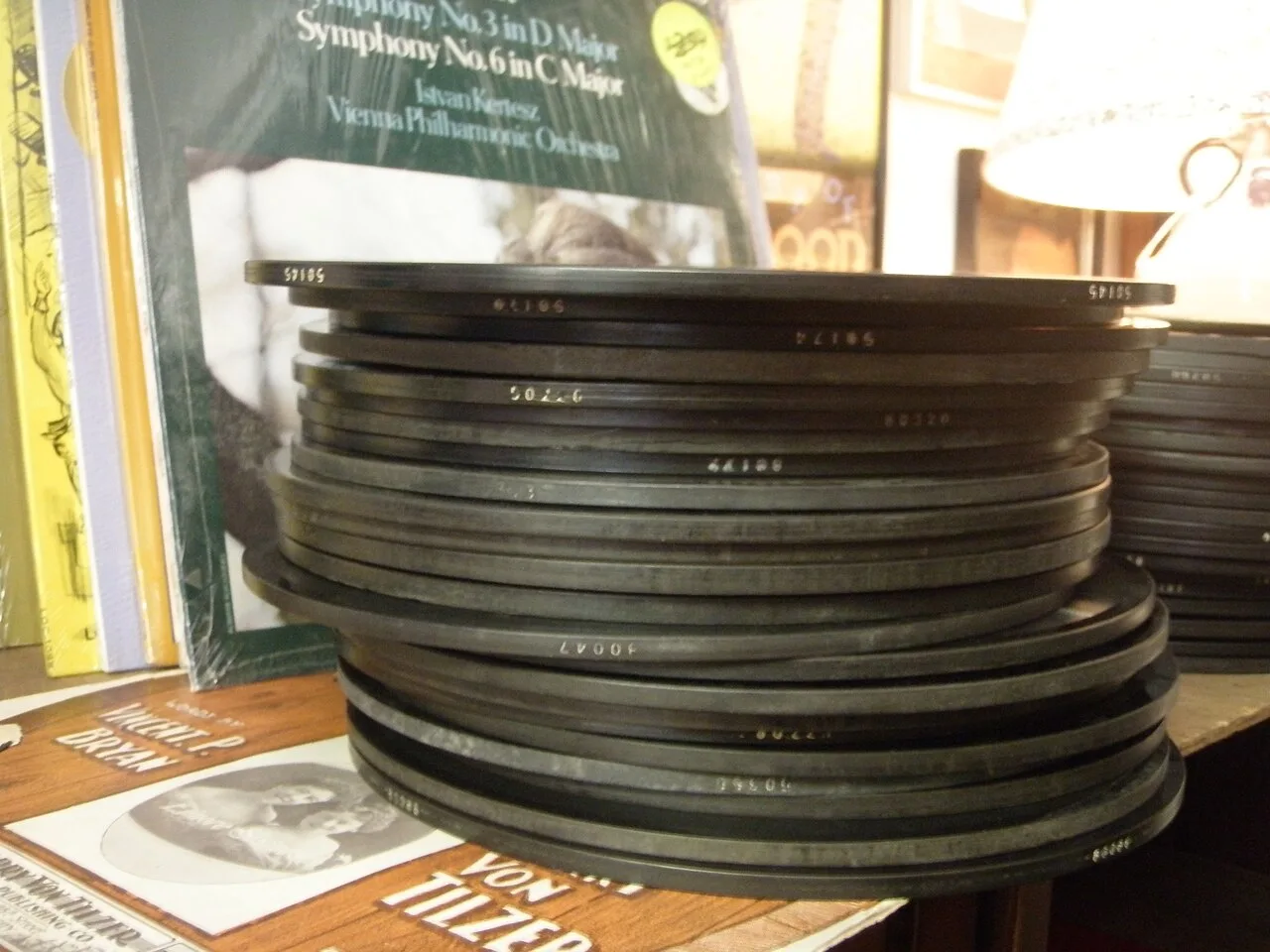
The Edison Diamond Disc was just under a quarter of an inch thick, 6.0 mm, and its groove was cut vertically, as variations in depth, not the side-to-side lateral motion that Victor and most other makers used. That meant the reproducer diaphragm had to sit parallel to the record surface, not at a right angle. You could not play one on a Victrola, and a Victrola could not play on it. Wikipedia puts the consequence plainly: "Diamond Discs were incompatible with lateral-groove disc record players, e.g. the Victor Victrola, the disposable steel needles of which would damage them while extracting hardly any sound." What I like about that sentence is that it treats the steel needle as the aggressor. It was. A disposable steel needle was designed to wear out and be thrown away, a sacrificial consumable that took the abuse so the record groove did not have to. The diamond was permanent, which sounds like an upgrade until you ask who re-tips it.
The steel needle cost pennies and lived in a drawer. The conical diamond stylus was a capital component, and when it wore, it concentrated pressure on the groove walls instead of yielding to them. Re-tipping or replacing it meant factory work or a specialist, not a kitchen-table swap. My rule with this kind of repair is simple: if the wear part is not user-replaceable, the whole system is on borrowed time. Edison shifted the maintenance burden from a cheap consumable to a specialized capital part, and he did it in a format that also demanded a dedicated phonograph. That is two locks on the same door.
The physical stack made it worse. The core was compressed wood flour, later china clay and lampblack, held together with a rabbit-hide glue binder and coated in a phenolic resin close to Bakelite. The thickness was not vanity; vertical recording needs a perfectly flat surface to track depth reliably, so the disc had to be stiff. But a heavy pickup on a thick, rigid disc is a wear equation with no give in it. Whether the permanent diamond was the decisive factor in the format's decline, or whether the parallel-diaphragm phonograph requirement and the heavier records were equally responsible, is genuinely open. Sales figures for replacement styli against phonograph units would settle it, along with service records showing how often diamonds came back for re-tipping. I would bet on the service model, but I would want the ledger.
The concession arrived in the late summer and early fall of 1929, when Edison briefly produced thin, electrically recorded lateral-cut "Needle Type" discs for standard record players. By then the format war was over. The mainspringpress and gracyk archives (gracyk.com/brunswick.shtml, mainspringpress.com/edison_kasakove.html) document how completely the lateral system had won. Edison's own catalogue bent to the standard player at the end, which tells you the incompatibility was never a technical necessity. It was a choice to keep the razor and the blade in the same building. The Diamond Disc is a clean case study in why serviceability and compatibility are not afterthoughts bolted on at the end; they are the architecture, and users price them in from the first purchase. en.wikipedia.org/wiki/Edison_Disc_Record