Carter-Vickers Said It Out Loud, So What Do Trusty's Standards Actually Fix?

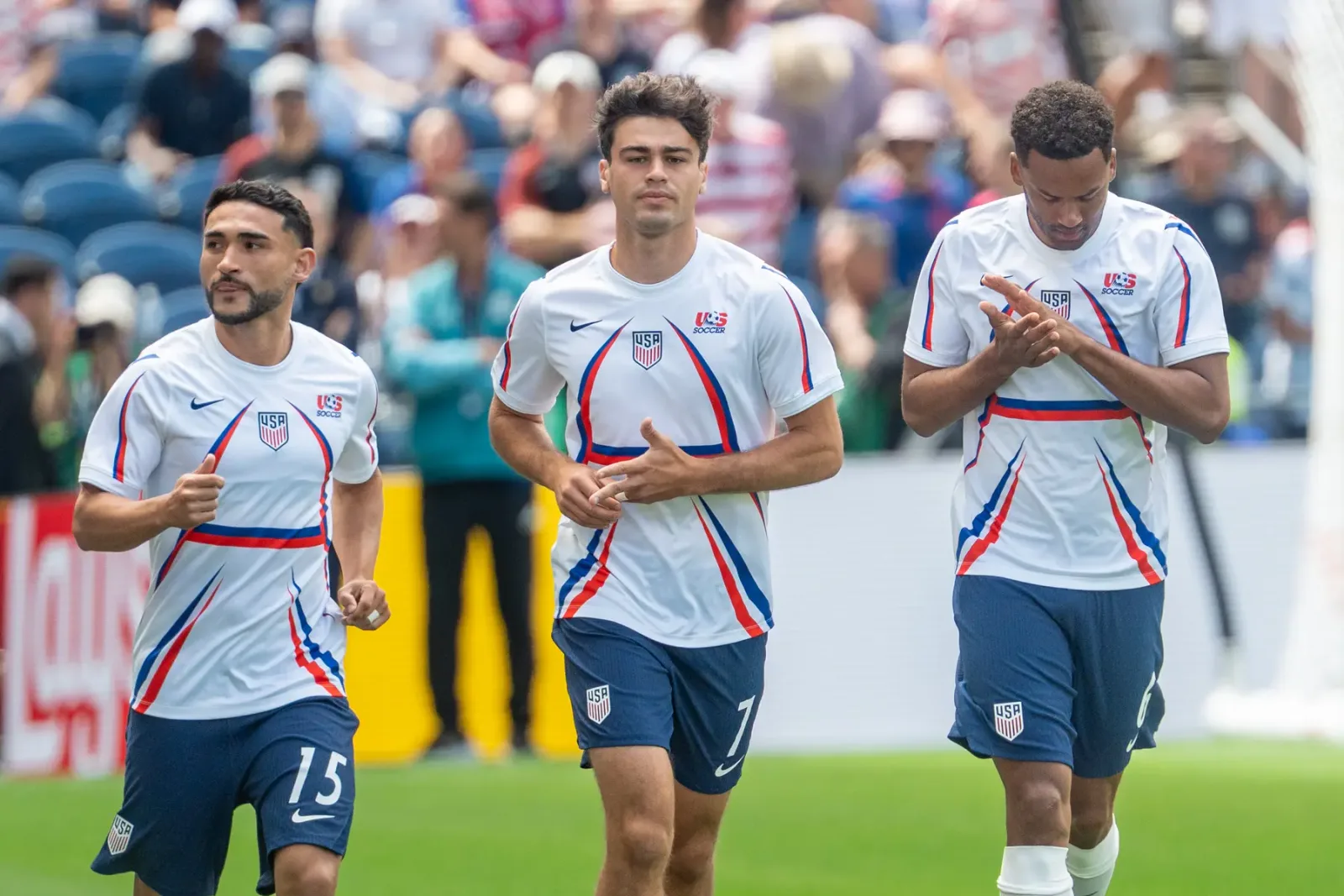
Cameron Carter-Vickers saying publicly that results have not been good enough is the line I keep coming back to, more than anything said during the international break. Our captain of the back line does not usually volunteer that kind of admission, so when he does, I read it as a dressing room that knows the problem is real. The Celtic Star has picked up Auston Trusty's interview with The Sunday Post and framed it as the leadership answer, arguing his lived Celtic experience since 2024 (Champions League nights, Glasgow derbies, trophies, and the heat when form dips) makes him the right voice for Martin O'Neill's newer arrivals.
The line they pull out is the one worth sitting with: "This is a player who now talks like someone who understands that experience isn't just something you carry for yourself, it's something you're supposed to pass on." I like that, and I think the author is right that Trusty has earned the standing to say it. He played through an ankle problem at international level and was part of that 4-1 win over Peru, so this is not a player hiding from responsibility. Where I part company slightly is the assumption that a louder voice at Lennoxtown is the missing piece. Leadership talk is comfortable. A back four without a fixed centre-back pairing will always look like it lacks standards, because the errors show up as positional, not vocal.
What I keep wondering is whether the standards problem is really about who speaks, or about how often the pairing changes. If Trusty is the one setting the tone, does that mean he is now first choice alongside Carter-Vickers, or is he still rotating? That distinction matters more than any quote. A rehearsed partnership gives you step-up triggers, a clearer offside line, and someone who knows when to drop without being told. Rotation gives you hesitation, and hesitation is what gets punished in Europe. I would rather see the same two centre-backs start four games in a row than hear another speech about the badge.
So the unresolved question is this: if standards have genuinely slipped, is the fix a settled pairing with defined roles, or simply more experience in the room? The Celtic Star's piece is worth reading for the Trusty angle (thecelticstar.com/auston-trusty-celtic-leader…), and I am glad the conversation is happening. But I will judge it on the pitch. If the back four looks calmer and holds a higher line over the next month, the leadership argument has legs. If the same soft goals keep arriving, then we have been talking about the wrong thing entirely.