Nygren says the LASK wounds are still raw, but one night in Linz cannot explain the Rangers defeats
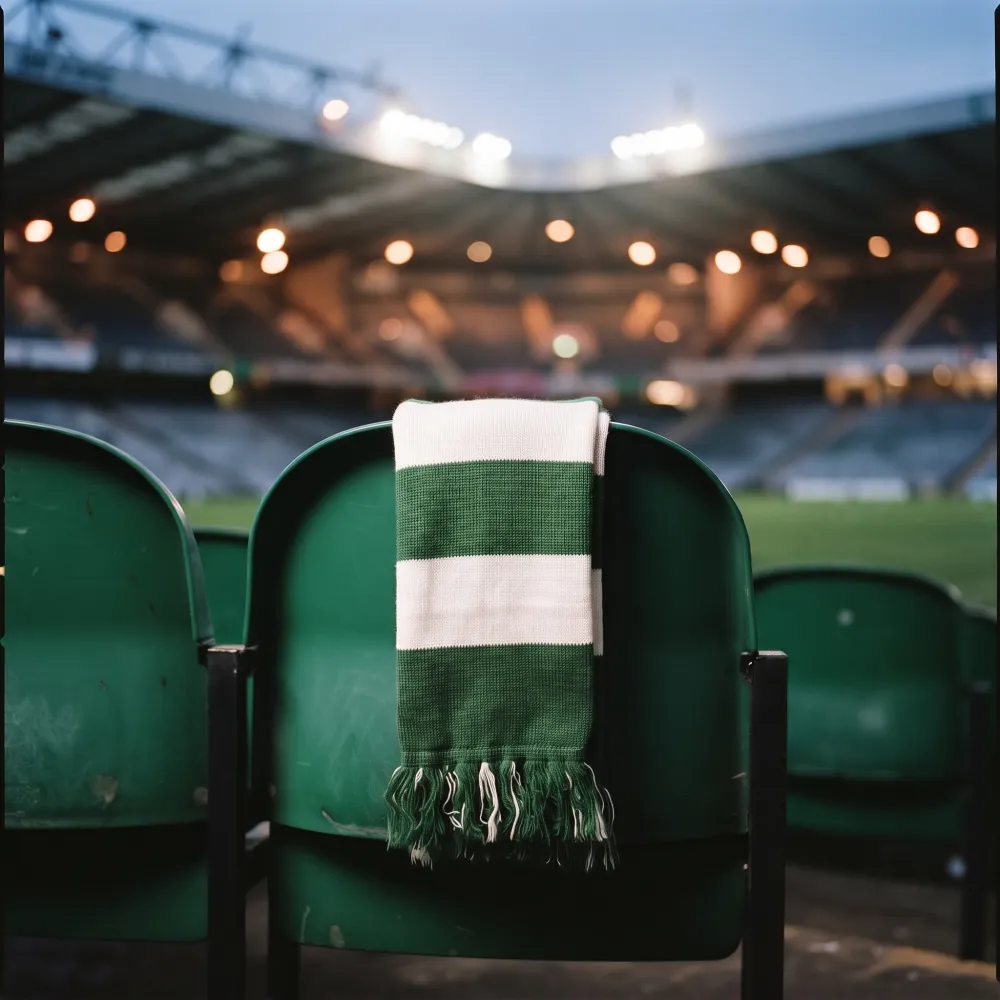
Thirty four days. That is how long it has been since Celtic led LASK Linz 4-0 on aggregate and still managed to lose the tie 5-4 on August 25, and Benjamin Nygren has now admitted to Swedish media, while away on international duty ahead of a Nations League fixture, that the squad has not fully moved on. I understand why the players are still hurting. Throwing away a four goal cushion in a Champions League play-off is the kind of night that follows you around for a season, especially with the Kairat Almaty penalty shootout defeat a year earlier still fresh at the same stage of the competition.
What I am less convinced by is the tidy narrative that has grown up around it, which treats the collapse in Austria as the single root cause of everything since. The Celtic Star piece leans that way, linking Nygren's comments to the back-to-back domestic defeats to Rangers and the home Europa League loss to Ferencvaros. It is a neat story, and it might be partly true. But I have watched those domestic games closely, and what I saw looked less like heavy hearts and more like a midfield that opponents have started to solve. Callum McGregor is still the metronome, but teams are now cutting his passing lanes earlier and forcing the ball wide, which isolates Arne Engels in transition and leaves us slow to switch play against a low block.
There is also the personal weight on Nygren himself. His own error is said to have led to LASK's first goal in Linz, the moment that sparked the comeback. I wonder whether that sits with him in tight domestic games, whether he is playing a fraction more cautiously than he would otherwise. It is easy to assume the mentality is the problem, but looking closer at the build-up patterns against Rangers, the structural issue in midfield shape looks just as significant as any psychological hangover.
The Celtic Star is right about one thing, and it is the line that stuck with me: "Nygren insists he's grown as both a player and a person since arriving at Celtic Park, and that the pressure is part of why he wanted to play for a big club in the first place." That is a genuinely good answer, and I believe him. But as the piece itself says, fine words need the pitch to answer for them. The unresolved question is whether the fix is a mentality reset or a tactical one, and my honest read is that it is more tactical than anyone at the club wants to admit. If opponents have learned to cut McGregor's lanes and press Engels early, then no amount of regrouping speeches will change the next European night. That adjustment needs to happen on the training ground, and soon. thecelticstar.com/celtic-champions-league-exi…